
Creating a meal plan for weight loss can seem challenging at first, but it’s one of the most effective ways to achieve lasting results. Without a plan, it’s easy to overeat, skip meals, or make unhealthy choices that slow down your progress.
A thoughtfully designed meal plan helps you control your calorie intake, ensures your body gets the nutrients it needs, and makes daily decisions around food simpler and less stressful. In this guide, you’ll learn how to create a balanced, flexible, and sustainable meal plan that supports weight loss while still allowing you to enjoy delicious meals every day.
Step 1: Set Your Weight Loss Goals
The first step in creating a meal plan for weight loss is to set clear and realistic goals. Knowing exactly what you want to achieve helps you make better decisions about what to eat and how much. Start by determining how much weight you want to lose and set a reasonable timeframe. Losing 0.5 to 1 kilogram (about 1 to 2 pounds) per week is generally considered safe and sustainable.
Next, calculate your daily calorie needs. This is the number of calories your body requires to maintain your current weight. From there, you can create a calorie deficit, which is essential for weight loss. A common approach is to reduce your daily intake by 300 to 500 calories, but it’s important to ensure you’re still getting enough nutrients to stay healthy.
By setting specific weight loss goals and understanding your calorie requirements, you create a foundation for a meal plan that is both effective and manageable. Clear goals keep you focused and motivated as you progress on your weight loss journey.
Step 2: Understand Macronutrients
Once you have set your weight loss goals, the next step is understanding macronutrients and how they affect your body. Macronutrients are proteins, carbohydrates, and fats, which your body needs in larger amounts to function properly. Each plays a unique role in supporting weight loss.
Proteins are essential for building and repairing muscles and they also help you feel full longer. Including lean protein sources like chicken, fish, eggs, beans, or tofu in your meals can prevent muscle loss while you are losing weight.
Carbohydrates are your body’s primary source of energy. Choosing complex carbs such as whole grains, vegetables, and fruits provides sustained energy and fiber, which aids digestion and keeps you satisfied. Limiting refined carbs and sugary foods can help control blood sugar levels and reduce calorie intake.
Healthy fats, found in foods like avocados, nuts, seeds, and olive oil, support hormone production, brain function, and nutrient absorption. Although they are calorie-dense, they are vital for overall health and can help you feel satisfied after meals.
By understanding macronutrients and balancing them in your meals, you can create a meal plan that promotes fat loss, preserves muscle, and keeps your energy levels steady throughout the day.
Step 3: Choose Nutrient-Dense Foods
After understanding macronutrients, the next step is to focus on nutrient-dense foods. These are foods that provide a high amount of vitamins, minerals, and other essential nutrients relative to their calorie content. Choosing these foods helps you feel full, maintain energy, and meet your body’s nutritional needs while losing weight.
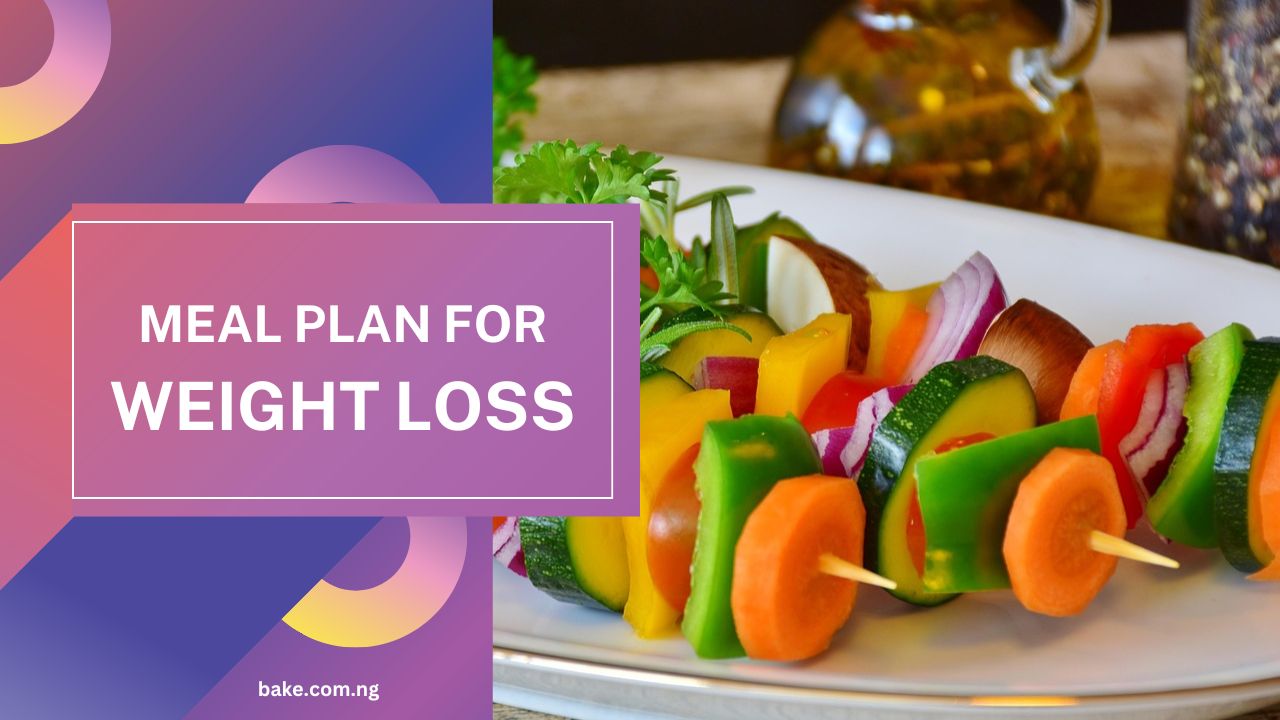
Vegetables and fruits should form the foundation of your meals. They are low in calories, high in fiber, and packed with vitamins and minerals. Lean proteins such as chicken, fish, eggs, beans, and tofu help preserve muscle mass and keep you satisfied. Whole grains like brown rice, quinoa, and oats provide sustained energy, while healthy fats from foods like avocados, nuts, seeds, and olive oil support overall health.
It is also important to limit processed foods, sugary snacks, and high-calorie beverages. These foods provide little nutritional value and can make it harder to stick to your weight loss goals. By building your meals around nutrient-dense options, you create a plan that nourishes your body, supports weight loss, and keeps you feeling satisfied.
Step 4: Plan Your Meals and Portions
Once you have chosen nutrient-dense foods, the next step is to plan your meals and control portion sizes. Structuring your day with three main meals and optional snacks can help you manage hunger, maintain energy levels, and avoid overeating.
Start by deciding what you will eat for breakfast, lunch, and dinner, making sure each meal includes a balance of proteins, carbohydrates, and healthy fats. Portion sizes are important to maintain a calorie deficit for weight loss. Using smaller plates, measuring your food, or following serving size guidelines can help you stay on track.
Meal prepping can also make a big difference. Preparing meals in advance ensures you have healthy options available, reduces the temptation to eat unhealthy foods, and saves time during busy days. By planning your meals and portions carefully, you can create a consistent routine that supports your weight loss goals.
Step 5: Incorporate Variety and Flexibility
A successful meal plan for weight loss should be both varied and flexible. Eating the same meals every day can become boring and make it harder to stick to your plan. By rotating different proteins, vegetables, and grains, you can keep your meals interesting while still meeting your nutritional needs.
Flexibility is also important for long-term success. Allowing yourself occasional treats or enjoying meals outside your plan occasionally can prevent feelings of deprivation and help you maintain a healthy relationship with food. The key is to enjoy a variety of foods while keeping portion sizes and overall calorie intake in mind.
By incorporating variety and flexibility into your meal plan, you can stay consistent, enjoy your meals, and make weight loss more sustainable over time.
Step 6: Track Your Progress and Adjust
Tracking your progress is an essential part of any weight loss meal plan. By monitoring your weight, energy levels, and how your body feels, you can see what is working and identify areas that need adjustment. Keeping a food journal or using a tracking app can help you stay aware of your daily calorie intake and macronutrient balance.
If you notice that your weight loss has stalled or you feel low on energy, consider adjusting portion sizes, swapping certain foods, or changing meal timing while keeping your overall calorie goal in mind. Remember that weight loss is not always linear, and small adjustments can make a big difference over time.
By regularly tracking your progress and making thoughtful changes, you ensure that your meal plan remains effective, sustainable, and tailored to your body’s needs.
Step 7: Practical Tips for Success
To make your meal plan effective and easy to follow, it is important to adopt a few practical habits. Start by creating a shopping list before each trip to the store. This helps you focus on nutrient-dense foods and avoid impulsive purchases.
Batch cooking your meals can save time during busy days and ensures that healthy options are always available. Keep healthy snacks such as fruits, nuts, or yogurt within reach to prevent cravings from leading to unhealthy choices. Drinking plenty of water throughout the day supports digestion, helps control appetite, and keeps you hydrated.
Listening to your body’s hunger and fullness signals is also essential. Eat when you are genuinely hungry and stop when you feel satisfied. By implementing these practical tips, you make it easier to stick to your meal plan and stay on track with your weight loss goals.
Conclusion
Creating a meal plan for weight loss is a practical and effective way to reach your goals while maintaining a balanced and nutritious diet. By setting clear goals, understanding macronutrients, choosing nutrient-dense foods, planning meals and portions, incorporating variety, tracking progress, and following practical tips, you can make your weight loss journey more manageable and sustainable.
A well-structured meal plan does not mean restricting yourself or giving up the foods you enjoy. It is about making thoughtful choices, staying consistent, and finding a balance that works for your lifestyle. With dedication and planning, you can achieve your weight loss goals while still enjoying delicious and satisfying meals every day.