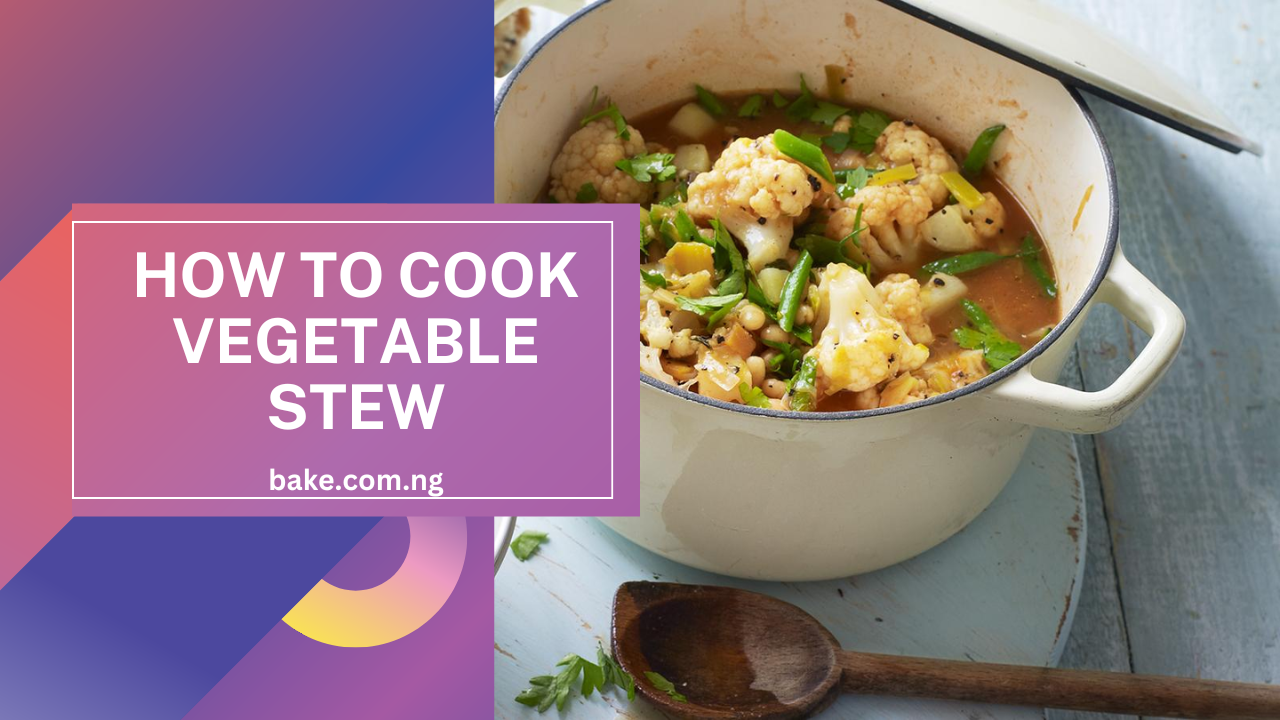

Vegetable stew is one of those comforting dishes that never goes out of style. It’s colorful, nourishing, affordable, and incredibly versatile. Whether you’re cooking for your family, trying to eat healthier, or looking for a satisfying plant-based meal, vegetable stew checks all the boxes.
In this detailed guide, you’ll learn how to cook a delicious vegetable stew from scratch, including ingredient choices, cooking techniques, common mistakes to avoid, and tips to make your stew truly unforgettable.
Why Vegetable Stew Is a Kitchen Essential
Vegetable stew isn’t just food—it’s a lifestyle dish.
- Healthy: Packed with vitamins, fiber, and antioxidants
- Budget-friendly: Uses simple, affordable ingredients
- Flexible: You can adjust it to your taste or what’s available
- Perfect for meal prep: Tastes even better the next day
From African kitchens to European homes, vegetable stew adapts beautifully to different cultures and spices.
Ingredients for a Classic Vegetable Stew
The beauty of vegetable stew lies in its flexibility. Below is a balanced ingredient list you can customize.
Base Ingredients
- 1/3 cup vegetable oil (or olive oil)
- 1 large onion (chopped)
- 3–4 fresh tomatoes (blended or chopped)
- 2 tablespoons tomato paste
- 2–3 cloves garlic (minced)
- 1 teaspoon grated ginger (optional)
Vegetables (Mix and Match)
- Carrots (sliced)
- Green beans
- Bell peppers (red, green, yellow)
- Cabbage or spinach
- Peas or sweet corn
- Zucchini or eggplant
Seasoning & Flavor
- Salt to taste
- 1–2 seasoning cubes (optional)
- 1 teaspoon curry powder
- 1 teaspoon thyme
- 1/2 teaspoon black pepper
- 1/2 teaspoon paprika or chili powder (optional)
Liquid
- 1–2 cups vegetable stock or water
Step-by-Step: How to Cook Vegetable Stew
Step 1: Prepare Your Ingredients
Wash and chop all your vegetables before turning on the stove. This makes cooking smoother and prevents overcooking.
Tip: Cut vegetables into similar sizes so they cook evenly.
Step 2: Heat the Oil
Place a pot on medium heat and add your oil. Allow it to warm—but not smoke.
Add the chopped onions and sauté until translucent and slightly golden. This step builds the flavor foundation.
Step 3: Add Garlic, Ginger & Tomato Paste
Stir in the garlic and ginger. Cook for about 30 seconds until fragrant.
Add the tomato paste and fry for 3–5 minutes, stirring constantly. This removes the raw taste and deepens the color.
Step 4: Add Fresh Tomatoes
Pour in your blended or chopped tomatoes. Stir well and allow it to cook until the sauce thickens and the oil begins to separate slightly.
This stage is crucial—well-cooked tomato sauce equals a rich stew.
Step 5: Season the Stew
Add salt, seasoning cubes, curry powder, thyme, black pepper, and paprika. Stir thoroughly and taste. Adjust seasoning if necessary.
Step 6: Add the Vegetables
Start with harder vegetables like carrots and green beans. Add softer vegetables later.
Pour in your vegetable stock or water, cover the pot, and let it simmer for 8–12 minutes.
Step 7: Finish With Leafy Greens
Add spinach or cabbage last. Stir and cook for another 2–3 minutes.
Avoid overcooking—vegetables should remain vibrant and slightly firm.
Common Mistakes to Avoid
❌ Overcooking vegetables until they turn mushy
❌ Adding too much water, making the stew watery
❌ Skipping the tomato-frying stage
❌ Under-seasoning
A great vegetable stew should be rich, thick, colorful, and flavorful.
How to Customize Your Vegetable Stew
Make It Spicy
Add fresh pepper, chili flakes, or scotch bonnet.
Make It Protein-Rich
Add:
- Beans or chickpeas
- Tofu
- Mushrooms
Make It Healthier
- Use olive oil
- Reduce salt
- Increase leafy greens
What to Serve With Vegetable Stew
Vegetable stew pairs beautifully with:
- Rice (white, brown, or coconut rice)
- Boiled yam or potatoes
- Pasta
- Bread or flatbread
It also works as a topping for quinoa or couscous.
Storage & Reheating Tips
- Store in an airtight container in the fridge for up to 4 days
- Freeze for up to 2 months
- Reheat gently on low heat, adding a little water if needed
Bonus: Vegetable stew tastes even better the next day as flavors deepen.
Final Thoughts
Cooking vegetable stew is more than following a recipe—it’s about creativity, patience, and balance. Once you master the basics, you can experiment endlessly with spices, vegetables, and textures.
Whether you’re a beginner in the kitchen or a seasoned home cook, vegetable stew is a dish you’ll always come back to.