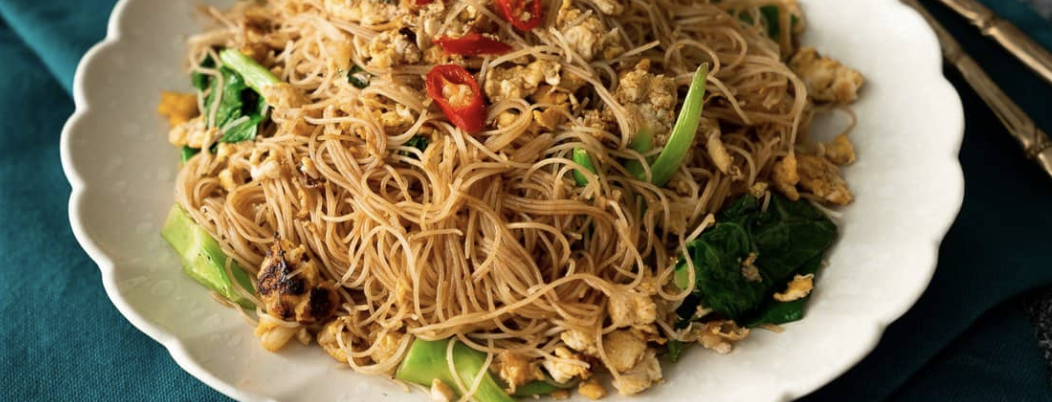

Vermicelli rice noodles are one of those ingredients that look humble but can transform into something incredibly delicious when cooked the right way. Light, silky, and quick to prepare, they are used across Asian kitchens—from stir-fried street food to comforting soups and fresh noodle salads.
If you’ve ever ended up with noodles that were soggy, sticky, or tasteless, don’t worry. Cooking vermicelli rice noodles is easier than you think once you understand how they work. This guide will walk you through everything step by step, with practical tips to help you get it right every single time.
What Are Vermicelli Rice Noodles?
Vermicelli rice noodles are thin noodles made from rice flour and water. Unlike wheat noodles, they contain no gluten and cook extremely fast. They are often sold dried in bundles or nests and become soft and translucent once hydrated.
You’ll commonly find them in dishes like:
- Stir-fried rice noodles
- Noodle soups
- Fresh spring rolls
- Rice noodle salads
Because they don’t need long boiling, how you handle them matters a lot.
Ingredients You’ll Need
To cook plain vermicelli rice noodles, you only need a few basic things:
- Dried vermicelli rice noodles
- Hot water (or boiling water, depending on method)
- A pinch of salt (optional)
- A little oil (optional, for stir-frying)
That’s it. The magic comes from the technique.
Method 1: Soaking (Best for Stir-Fry and Salads)
This is the most common and safest method for cooking vermicelli rice noodles.
Step 1: Bring Water to a Boil
Heat enough water in a kettle or pot until it reaches a full boil. You don’t need to cook the noodles in the pot—just the hot water.
Step 2: Place Noodles in a Bowl
Put the dried vermicelli noodles into a large heat-proof bowl. If they’re long, you can break them in half for easier handling.
Step 3: Pour Hot Water Over the Noodles
Pour the boiling water over the noodles until they are fully submerged.
Step 4: Cover and Soak
Cover the bowl and let the noodles soak for 3–5 minutes. Thin vermicelli softens very quickly, so keep an eye on them.
Step 5: Check for Doneness
The noodles should be soft, flexible, and slightly chewy—not mushy. If they’re still stiff, let them soak for another minute.
Step 6: Drain and Rinse
Drain the noodles in a sieve and rinse briefly with cold water. This stops the cooking and prevents sticking.
Your noodles are now ready to be stir-fried, tossed into a salad, or added to another dish.
Method 2: Quick Boiling (Best for Soups)
If you’re cooking vermicelli directly for soup, boiling works well—but timing is critical.
Step 1: Boil Water
Bring a pot of water or broth to a rolling boil.
Step 2: Add the Noodles
Drop the vermicelli noodles into the boiling liquid.
Step 3: Cook Briefly
Cook for 1–2 minutes only. Vermicelli cooks extremely fast.
Step 4: Remove Immediately
Once soft, remove the noodles or turn off the heat. Leaving them in hot liquid too long will make them mushy.
How to Use Vermicelli Rice Noodles in Dishes
Once cooked, vermicelli noodles absorb flavours beautifully. Here are some popular ways to use them:
1. Stir-Fried Vermicelli
Heat oil in a pan, add vegetables, protein (chicken, shrimp, eggs, or tofu), then toss in the soaked noodles. Season with soy sauce, garlic, pepper, and a little stock or water. Stir quickly until everything is well combined.
2. Vermicelli Noodle Soup
Add cooked vermicelli to hot broth, then top with vegetables, herbs, and protein. Because the noodles are light, they don’t overpower the soup.
3. Vermicelli Salad
Mix cooled noodles with sliced vegetables, herbs, a light dressing, and grilled protein. This is refreshing and perfect for warm weather.
Common Mistakes to Avoid
- Overcooking: This is the biggest mistake. Vermicelli needs minutes, not long boiling.
- Skipping the rinse: Rinsing helps prevent sticky noodles.
- Cooking too early: If you cook them too far ahead, they can clump together. Prepare them close to when you’ll use them.
- Using too little water: Noodles need space to hydrate evenly.
Pro Tips for Perfect Vermicelli Noodles
- Add a few drops of oil after draining if you’re not using them immediately.
- Always undercook slightly if you plan to stir-fry—they’ll finish cooking in the pan.
- Taste as you go. Texture matters more than time.
Final Thoughts
Cooking vermicelli rice noodles isn’t complicated, but it does require attention. Once you master the soaking or quick-boil method, you’ll find yourself using them more often because of how fast, light, and versatile they are.
Whether you’re making a quick stir-fry, a comforting soup, or a fresh noodle salad, perfectly cooked vermicelli rice noodles will always elevate your meal.