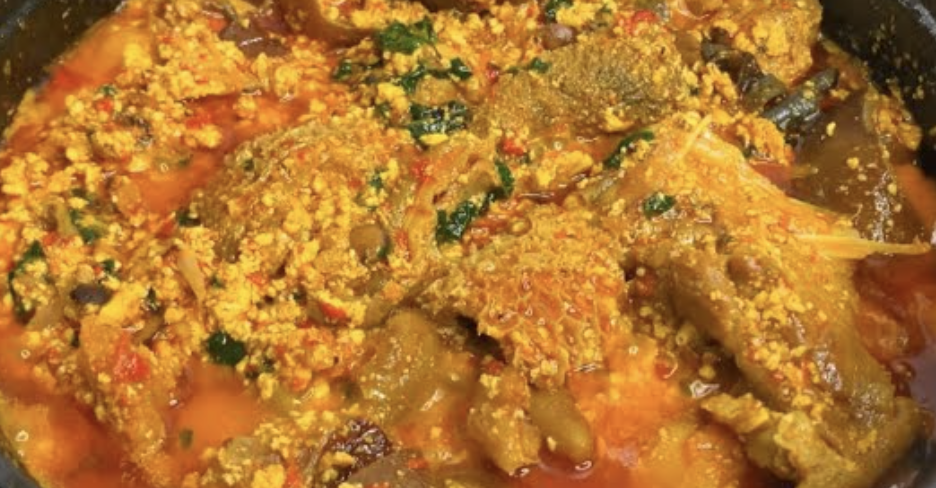

Egusi soup is a beloved West African dish known for its rich, nutty flavor and hearty texture. While there are several ways to prepare it, the frying method stands out for producing a deeper, more robust taste that elevates every spoonful.
Whether you’re a beginner in the kitchen or looking to perfect your cooking skills, this step-by-step guide will walk you through everything you need to know to make delicious egusi soup the frying way. Get ready to fill your kitchen with mouthwatering aromas and enjoy a dish that’s sure to impress family and friends.
Ingredients Needed for Egusi Soup (Frying Method)
- Egusi seeds – 2 cups, ground into a fine powder
- Palm oil – 1/2 to 1 cup (adjust to taste)
- Meat of choice – beef, goat, or chicken (about 500g), cut into bite-sized pieces
- Stockfish or dried fish – optional, soaked and cleaned
- Crayfish – 2 tablespoons, ground
- Onions – 1 medium, finely chopped
- Fresh peppers – 2–3, blended or chopped (adjust for heat preference)
- Leafy vegetables – spinach, ugu, or bitterleaf (about 2 cups, chopped)
- Seasoning cubes or powder – 2–3 cubes or according to taste
- Salt – to taste
- Water or stock – as needed for cooking
Optional:
- Periwinkle or other seafood for added flavor
- Ground ginger or garlic for extra aroma
Preparing the Ingredients for Egusi Soup
- Grind the Egusi Seeds: Begin by using a dry grinder or blender to grind the egusi seeds into a fine powder. Once ground, set them aside in a bowl so they are ready for frying.
- Prepare the Meat and Fish: Wash and cut your meat into bite-sized pieces. If you are using stockfish or dried fish, soak it in warm water until it softens, then clean and break it into smaller portions. Boil the meat (and stockfish if used) with some salt and seasoning cubes until tender, and reserve the stock for later use in the soup.
- Prepare the Vegetables: Wash your leafy vegetables thoroughly and chop them into bite-sized pieces. Blend or chop your peppers and onions so they are ready to be added to the cooking process.
- Other Ingredients: Measure out the palm oil, crayfish, and any optional ingredients such as periwinkle, garlic, or ginger. Having everything prepared and within reach ensures a smooth cooking process and prevents delays while frying the egusi.
Frying the Egusi Paste
- Heat the Palm Oil: Begin by pouring your palm oil into a wide pan and heating it over medium heat. Allow the oil to become hot but not smoking, as overheating can alter its taste and color.
- Add the Onions and Peppers: Once the oil is hot, add the chopped or blended onions and peppers. Stir them gently to release their aroma, cooking for a few minutes until they become soft and fragrant.
- Incorporate the Egusi: Add the ground egusi seeds into the pan gradually, stirring continuously to prevent lumps from forming. Fry the mixture over medium heat, stirring frequently until it starts to thicken and releases a nutty aroma.
- Add Crayfish and Seasoning: Sprinkle in the ground crayfish and seasoning cubes, adjusting to taste. Keep stirring so the egusi cooks evenly, forming a slightly granular paste with a rich, golden-brown color.
- Monitor the Texture: As the egusi fries, it should not burn. The ideal texture is slightly oily, with the seeds well-cooked and lightly crisped at the edges. At this stage, you are ready to add the reserved stock or water to begin forming the soup.
Cooking the Soup
- Add Stock and Simmer: Once your egusi paste is properly fried, slowly pour in the reserved stock or water. Stir gently to combine the liquid with the fried egusi, creating a smooth and slightly thick soup base. Allow the mixture to simmer over low to medium heat so the flavors meld together.
- Incorporate Meat and Fish: Add the cooked meat and stockfish or dried fish into the pot. Stir carefully to ensure that the protein is evenly distributed throughout the soup. Let it cook for a few more minutes so the ingredients absorb the rich flavor of the egusi.
- Add Leafy Vegetables: Introduce the chopped leafy vegetables to the soup, stirring gently to combine. Cook for an additional 3 to 5 minutes, depending on the type of vegetable, until they are tender but still vibrant and fresh-looking.
- Adjust Seasoning and Consistency: Taste the soup and adjust seasoning with salt or additional seasoning cubes if needed. If the soup is too thick, add a little more stock or water and allow it to simmer briefly. The ideal consistency is rich and slightly thick, enough to coat a spoon without being runny.
Serving Suggestions
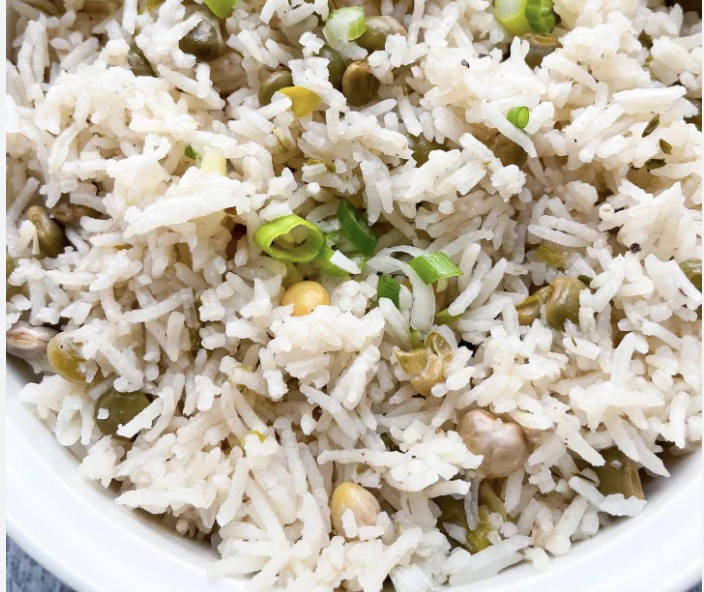
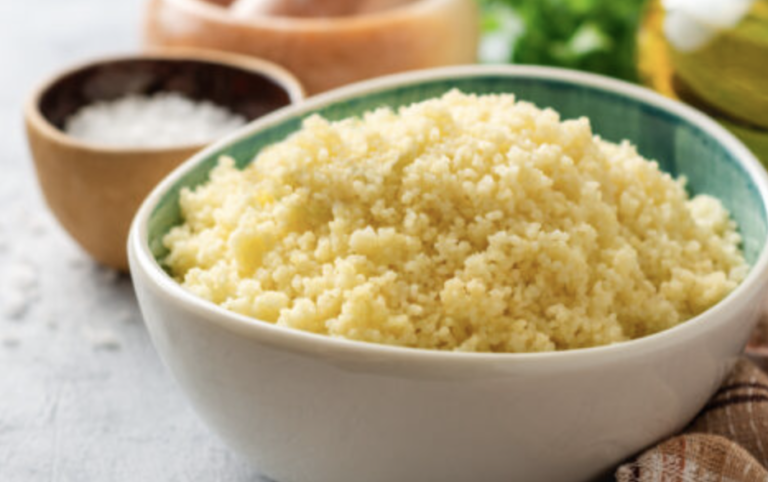
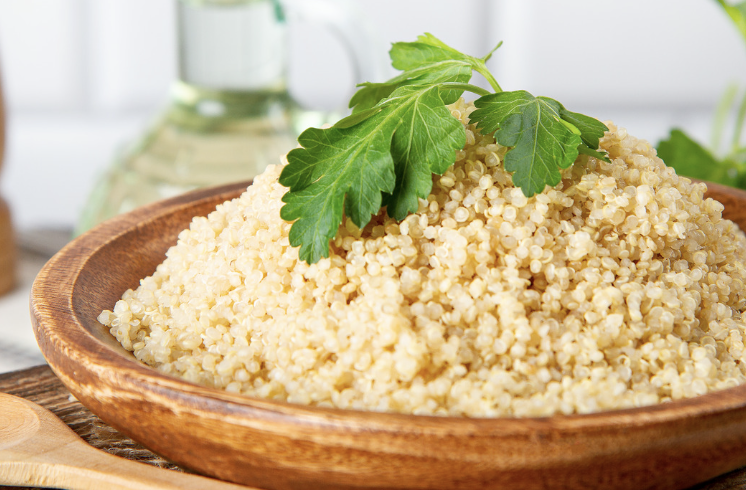
Egusi soup made using the frying method is best enjoyed with traditional staples that complement its rich and hearty flavor. Serve it alongside fufu, pounded yam, eba, or even rice, allowing the soup to coat each bite perfectly.
For an appealing presentation, scoop the soup into a serving bowl and place the meat, fish, and vegetables on top so that the vibrant colors show. You can also garnish with a few fresh leaves or a sprinkle of crayfish to enhance both the aroma and appearance. This approach not only makes the dish more inviting but also elevates the dining experience for family and guests.
Conclusion
Cooking egusi soup using the frying method brings out a depth of flavor and richness that makes every meal memorable. By following these steps, from preparing the ingredients to frying the egusi and simmering the soup, you can create a dish that is both authentic and satisfying. This method allows the flavors of the palm oil, egusi, spices, and proteins to meld together, resulting in a hearty and aromatic soup that is sure to delight anyone who tastes it.
Don’t hesitate to experiment with different meats, fish, or leafy vegetables to tailor the soup to your personal taste. You can also try adding optional ingredients such as periwinkle or a touch of ginger to introduce new layers of flavor. Sharing your creation with family and friends not only brings joy to the table but also preserves a cherished culinary tradition.