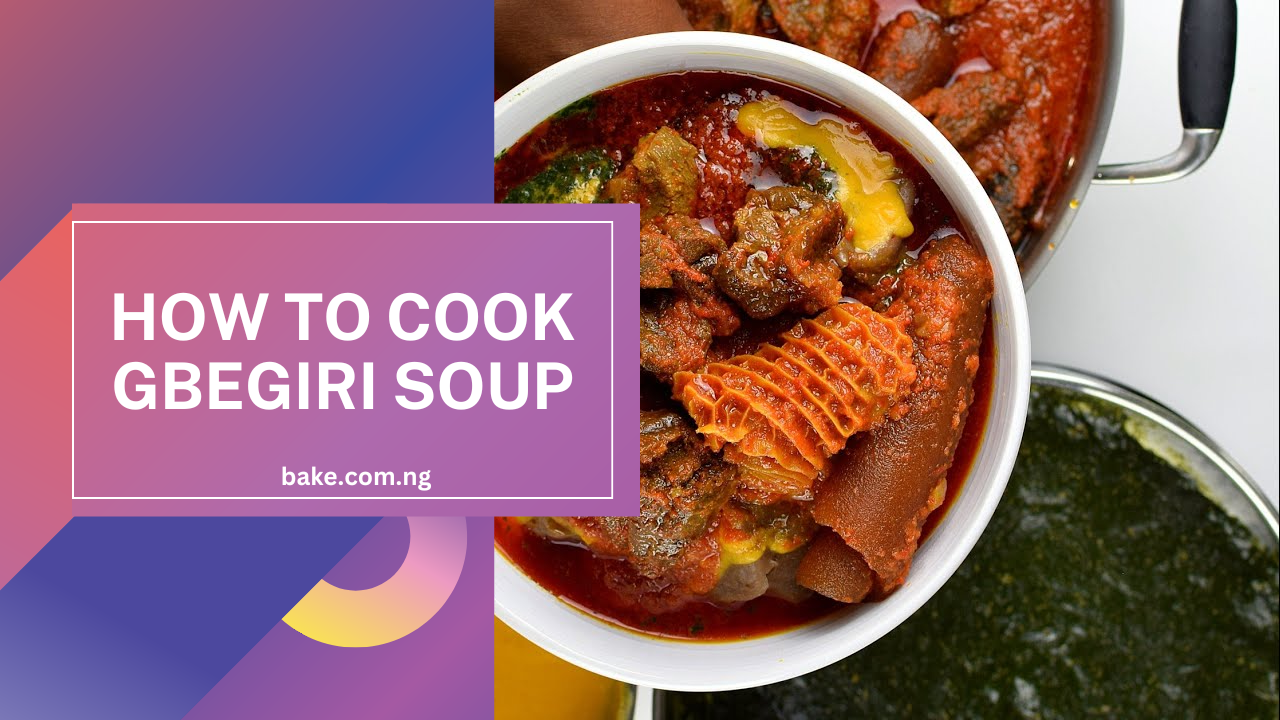

If Nigerian cuisine had a hall of fame, gbegiri soup would have its own spotlight. Thick, golden, aromatic, and packed with earthy flavor, gbegiri is more than just food—it is culture in a bowl. Popular among the Yoruba people of Western Nigeria, gbegiri is traditionally served with amala, often alongside ewedu and stew to create the famous “abula” combination that reigns supreme in local buka joints.
What makes gbegiri special is its main ingredient: beans—simple, humble, yet transformed into something incredibly luxurious through slow cooking and expert seasoning.
Let’s explore how to cook authentic gbegiri soup from scratch.
What Is Gbegiri Soup?
Gbegiri is a bean-based soup made from peeled beans that are cooked until very soft and then blended into a smooth paste. It is lightly seasoned, infused with palm oil, locust beans (iru), pepper, onions, and often enhanced with crayfish and meat stock.
Unlike many Nigerian soups that are thickened with seeds or vegetables, gbegiri gets its creamy texture purely from beans. When cooked properly, it has a silky, spoonable consistency that pairs beautifully with starchy swallows like amala or eba.
Ingredients You’ll Need
Main Ingredients
- 2 cups brown beans (black-eyed peas or honey beans)
- 1 medium onion (chopped)
- 2–3 tablespoons palm oil
- 2 tablespoons ground crayfish
- 1–2 tablespoons locust beans (iru)
- 2 teaspoons ground pepper (or to taste)
- Meat stock (beef, goat meat, or assorted meat)
- Salt and seasoning cubes to taste
Optional (but very traditional)
- Smoked fish
- Dry fish
- Ponmo (cow skin)
Step 1: Peel the Beans
Gbegiri must be silky smooth, so the beans must be peeled.
Soak the beans in water for about 10–15 minutes. Rub them between your palms to loosen the skins, then rinse repeatedly until most of the skins float away. You’ll be left with clean white beans.
This step is crucial—unpeeled beans will make the soup grainy instead of creamy.
Step 2: Cook the Beans Until Very Soft
Place the peeled beans in a pot and add enough water to cover them. Cook on medium heat for about 40–50 minutes or until they are extremely soft and mushy.
Do not add salt at this stage—it hardens the beans.
Once cooked, the beans should almost look like porridge.
Step 3: Blend the Beans
Blend the cooked beans with some of the cooking water until you get a smooth, thick puree. If you don’t have a blender, mash thoroughly with a wooden spoon or pestle, but blending gives the best texture.
Set aside.
Step 4: Build the Flavor Base
In a clean pot:
- Heat the palm oil on low heat.
- Add chopped onions and allow them to soften.
- Stir in locust beans (iru), ground crayfish, and pepper.
- Let everything fry gently for about 3–4 minutes to release their aromas.
This fragrant base is what gives gbegiri its deep, traditional flavor.
Step 5: Add Meat Stock
Pour in your meat stock and allow it to simmer for a few minutes. This adds richness and makes the soup taste “full-bodied.”
Add your cooked meat, smoked fish, or ponmo at this stage if using.
Step 6: Add the Blended Beans
Slowly pour the bean puree into the pot, stirring continuously to avoid lumps. The soup will thicken almost immediately.
Reduce heat and let it simmer gently for 10–15 minutes, stirring occasionally. The soup should become smooth, creamy, and slightly glossy.
Step 7: Season and Adjust
Add salt and seasoning cubes to taste. If the soup is too thick, add a little hot water or stock. If too thin, let it simmer a bit longer.
Gbegiri should be neither watery nor stiff—it should coat a spoon beautifully.
How to Serve Gbegiri
Traditionally, gbegiri is served with:
- Amala
- Ewedu
- Tomato stew
This trio is known as abula and is one of the most iconic meals in Yoruba cuisine.
You can also enjoy gbegiri with eba, fufu, or pounded yam, but amala remains the gold standard.
Why Gbegiri Is So Loved
Beyond its comforting taste, gbegiri is:
- High in protein
- Very filling
- Affordable
- Deeply nostalgic for many Nigerians
It reminds people of local bukas, family lunches, and Sunday meals that bring everyone to the table.
Final Thoughts
Cooking gbegiri soup is a beautiful example of how simple ingredients—beans, oil, pepper, and seasoning—can become something extraordinary when treated with care.
When done right, gbegiri is not just soup.
It is warmth, tradition, and heritage in a bowl.
If you’ve never cooked it before, now is the perfect time to try. Once you master gbegiri, you’ll understand why it has remained a Nigerian favorite for generations.