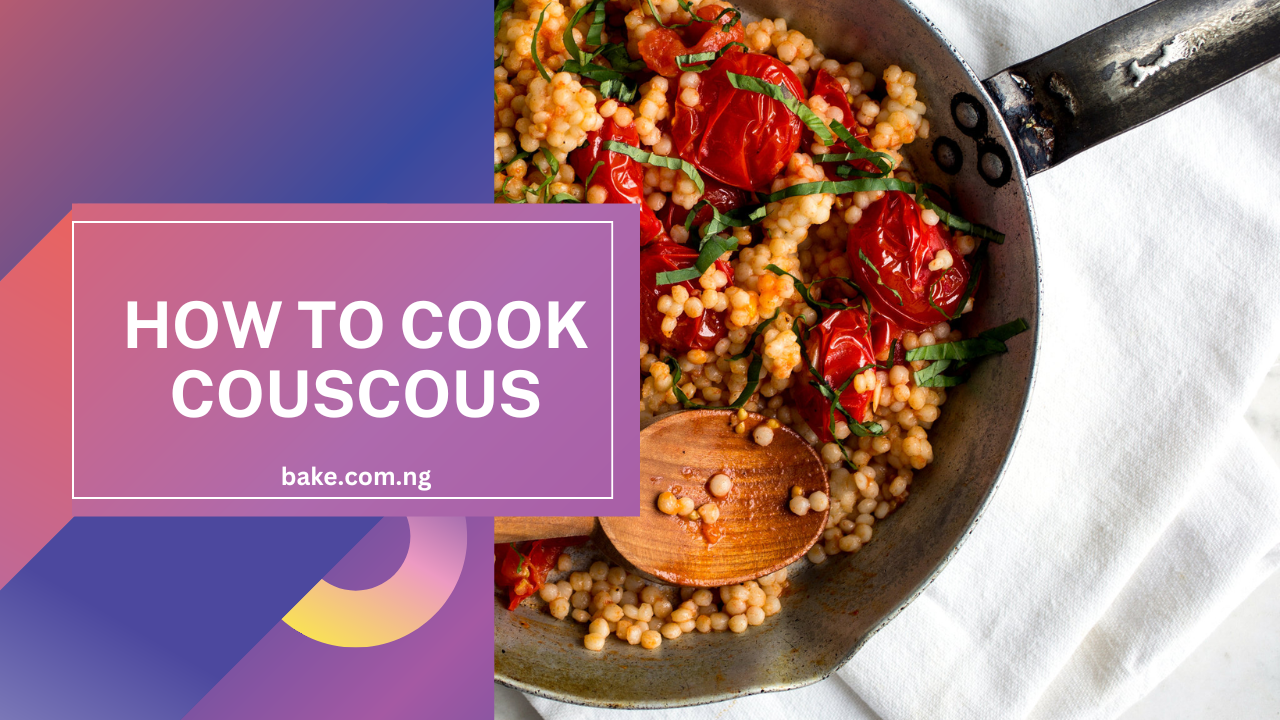

Couscous may look like a grain, but it’s actually a type of tiny pasta made from semolina wheat. Light, fluffy, and incredibly fast to cook, couscous is one of the most versatile foods in the world — perfect for quick dinners, meal prep, salads, and hearty stews.
Whether you’re new to couscous or you’ve had disappointing, soggy results in the past, this guide will show you exactly how to cook couscous properly and make it taste amazing every time.
What Is Couscous?
Couscous comes from North Africa and has been a staple in Moroccan, Algerian, and Tunisian cuisine for centuries. It’s traditionally steamed over slow-cooked stews, but most couscous sold today is pre-steamed and dried, which means it cooks in just minutes.
There are three main types:
- Moroccan couscous – the smallest and fastest-cooking
- Israeli (pearl) couscous – larger, chewier pearls
- Lebanese couscous – the biggest, more like small pasta
This guide focuses mainly on Moroccan couscous, the most common and quickest to cook.
Basic Ingredients You’ll Need
To cook plain couscous, you only need:
- 1 cup couscous
- 1 cup water or broth
- 1 tablespoon butter or olive oil
- ½ teaspoon salt
That’s it. But from this simple base, you can create endless flavor combinations.
How to Cook Couscous on the Stove
This is the easiest and most reliable method.
Step 1: Boil the liquid
In a small pot, bring 1 cup of water or broth to a boil. Add salt and butter or oil.
Using broth instead of water instantly adds more flavor.
Step 2: Add the couscous
Once the liquid is boiling, remove the pot from heat and stir in the couscous.
Step 3: Cover and let it steam
Cover the pot with a tight lid and let it sit for about 5 minutes. The couscous will absorb all the liquid and soften.
Step 4: Fluff
After 5 minutes, uncover and use a fork to gently fluff the couscous. This separates the grains and prevents clumping.
Your couscous should be light, fluffy, and tender — never mushy.
How to Make Couscous Taste Amazing
Plain couscous is mild, so seasoning is key. Here are some simple ways to upgrade it:
Add Aromatics
Before boiling the water, sauté:
- Garlic
- Onion
- Shallots
Then add the liquid and continue cooking.
Use Broth
Chicken, beef, or vegetable broth gives couscous much deeper flavor than plain water.
Mix in Herbs
After cooking, stir in:
- Parsley
- Cilantro
- Dill
- Basil
Fresh herbs bring couscous to life.
Add Healthy Fats
Olive oil, butter, or even coconut oil makes couscous richer and more satisfying.
Popular Couscous Add-Ins
Couscous works beautifully with many ingredients. Try adding:
Vegetables
- Roasted carrots
- Bell peppers
- Zucchini
- Tomatoes
- Spinach
Protein
- Grilled chicken
- Shrimp
- Chickpeas
- Beans
- Fried tofu
Nuts & Fruits
- Almonds
- Raisins
- Cranberries
- Dates
This mix of savory and sweet is especially popular in North African cuisine.
How to Make Couscous Salad
Couscous is excellent for cold salads. After cooking and cooling, mix with:
- Chopped cucumber
- Tomatoes
- Red onion
- Lemon juice
- Olive oil
- Salt and pepper
This makes a refreshing, healthy meal that’s perfect for hot days or meal prep.
Common Couscous Mistakes
Avoid these errors for perfect couscous:
- Using too much water – This makes it mushy.
- Not fluffing – Always fluff with a fork.
- Skipping seasoning – Couscous needs salt and fat to shine.
- Overcooking – Couscous doesn’t need to simmer.
Why Couscous Is So Popular
Couscous is loved worldwide because it is:
- Fast to cook
- Affordable
- Easy to flavor
- Great for healthy eating
- Perfect for busy schedules
It’s a perfect substitute for rice, pasta, or quinoa.
Final Thoughts
Learning how to cook couscous opens the door to countless quick, delicious meals. Whether you keep it simple or load it with vegetables, spices, and protein, couscous adapts to almost any dish.
Once you master the basic method, you’ll never struggle with bland or soggy couscous again — just light, fluffy perfection every time.